Today more than ever, people seem to be struggling with deciding what is true while a fringe minority is more sure than ever about their beliefs. Why is this? Is it the slow degradation of trust in institutions? Is it the algorithmic-based media silos we fall into? Is it the advertisement model of the Internet? Is it our human nature (i.e. confirmation bias)? All of these factors play a role in why we are struggling to decipher what is true versus what is false. I believe AI will only make this a more difficult problem in the future. Generative AI essentially uses probabilities to decide what is most likely the answer to your question. Generative AI is the wisdom of crowds at an essential level. Depending on the data that is collected, answers can shift. Generative AI can effectively lay out the answer to your question in an explanation that seems convincing even when it is blatantly false. You can choose to have it argue for your specific viewpoint fairly easily through prompting. This leads to the question; how do we mitigate the effects of misinformation? I believe we will need to reform our education system. A strong base in the scientific method, the theory of logic, and the Socratic method could help members of our society navigate a world full of misinformation.
What is truth? This question has been probed by philosophers since time immemorial. According to Wikipedia, truth is the property of being in accord with fact or reality. What is a fact? The Merriam-Webster definition states that a fact is any piece of information presented as having objective reality. At a minimum, we can now see that truth has to be grounded in reality. How do we objectively know something is grounded in reality? I think Karl Popper stated it best, "In so far as a scientific statement speaks about reality, it must be falsifiable: and in so far as it is not falsifiable, it does not speak about reality." Therefore, falsifiability must be a key measure of truth. The scientific method is based on the idea of falsifiability. If you were fortunate enough to be taught in school what the scientific method is, you will remember it includes: observation, research, hypothesis, experimental testing, data analysis, and conclusion. This is a laborious and difficult process, but it is required to move toward the truth. David Deutsch elaborates on this process in the book, The Beginning of Infinity. He avoids even using the word truth in the book. Instead, our goal is understanding. We should be constantly moving toward a more complete understanding of the universe. We will never have the full truth, but our explanations of the reality we are presented with will get better through the scientific method. Today more than ever, we need scientific literacy. We need people to know how to read a scientific journal and understand the statistics and methodology that go into a good study and a poor study. This basic understanding will enlighten people and move them closer to the truth. This is in stark contrast to being lost in a dizzying and conflicted information landscape presented by current media feeds.
Logic was invented by Aristotle around the year 335 BC. To this day, logic remains a vital safeguard against misinformation, as it serves as the fundamental framework for critical thinking and decision-making. I was never taught logic in grade school. It was not until university that I was exposed to the theory of logic. I think we are doing our youth a disservice by not teaching them the fundamentals of logic. Logic enables us to analyze arguments, identify fallacies, and make well-reasoned choices. In an era marked by information overload, the ability to discern valid from invalid arguments is more crucial than ever. Moreover, in our everyday political discourse, the application of logic is invaluable in navigating complex issues, facilitating clear communication, and promoting reasoned debate. Thus, logic continues to be indispensable in fostering a discerning and rational society. Thinking critically could save our democracy. The stakes are high and we need to continue to foster a rational and logical population.
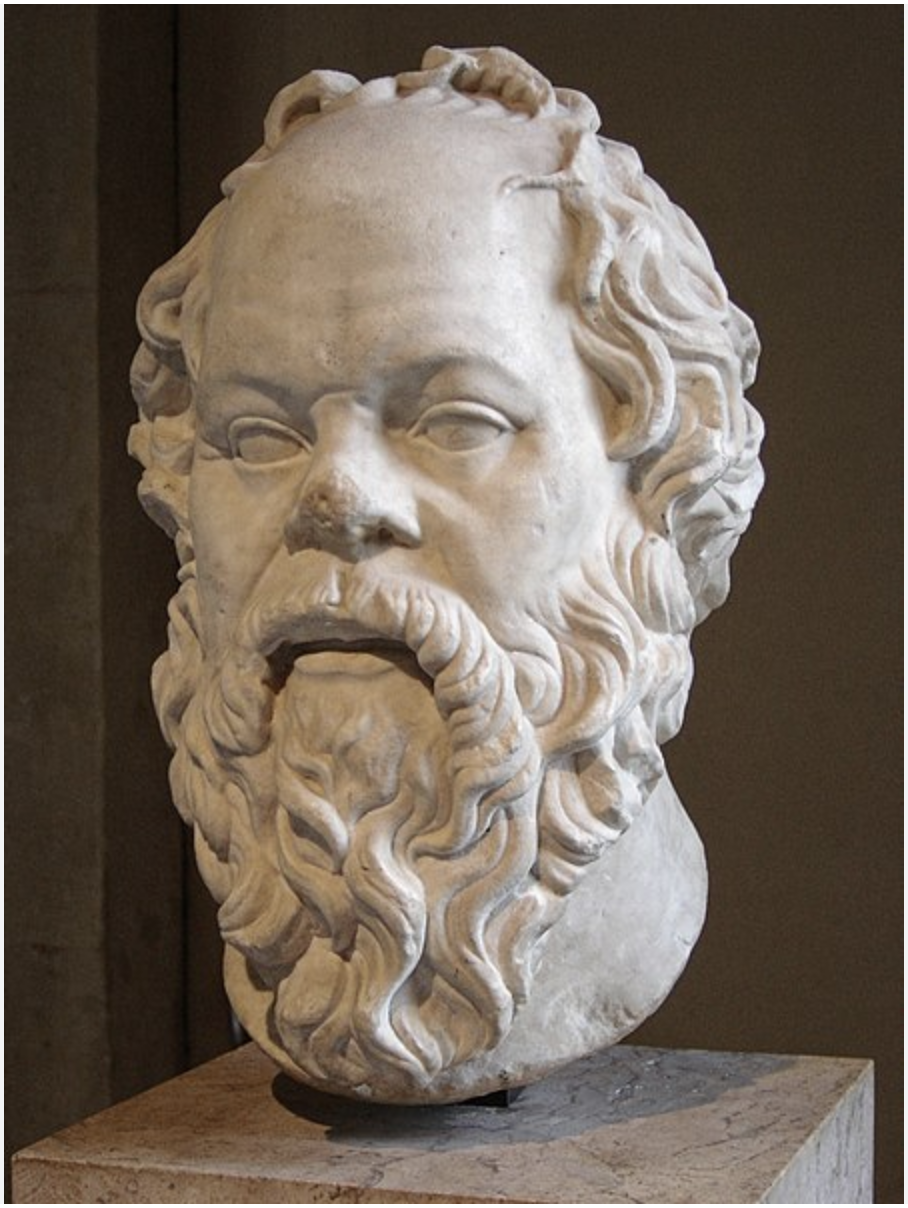
Socrates is famous for asking his interlocutors probing questions that drove them to the limits of their knowledge. He would use inductive reasoning and refutation to show glaring gaps in their beliefs. Refutation and the eventual admission of ignorance are excellent ways that we can drive toward the goal post. Remember, the goal post is not truth per se, but instead better explanations about our reality. In the Socratic method, we cultivate humility through the limitation of our knowledge. I think this process should be used more readily today throughout our education system. The case method is one example of teaching where the Socratic method is used to fill gaps in a student's knowledge. Today, generative AI is a wonderful interface for this kind of questioning. You can probe the AI with questions endlessly, and it will sometimes admit previous mistakes or be unable to answer. I think doing this can show the limitations of dogma, and promote a more healthy and accurate depiction of the world. Ultimately, we need to have freedom of speech and the untethered ability to ask questions if we want to cultivate a population of informed citizens.
In conclusion, I would love to see more of these three methodologies used in the classroom. Our democracy will be shaped by our youth. Education needs to iterate quickly to stay relevant in a rapidly changing world. In a post-religious, AI-driven world, education will be fundamental in deciphering what is happening around us without succumbing to the nihilistic trap of apathy and confusion. The news will be generated by AI. There will be unintended consequences of the personalization of the news and the eventual malevolent actors that will spew misinformation from AI-written articles. We are onto GPT-4 level technology, but an article in the WSJ showed that 72% of participants found GPT-2 generated articles credible, compared with 83% who found a genuine article credible. Our society needs to be educated and be able to differentiate what is "fake news" and credible news. I am optimistic that we will tackle these problems and find ways to continue to work toward better explanations.